Articles and Book Chapters
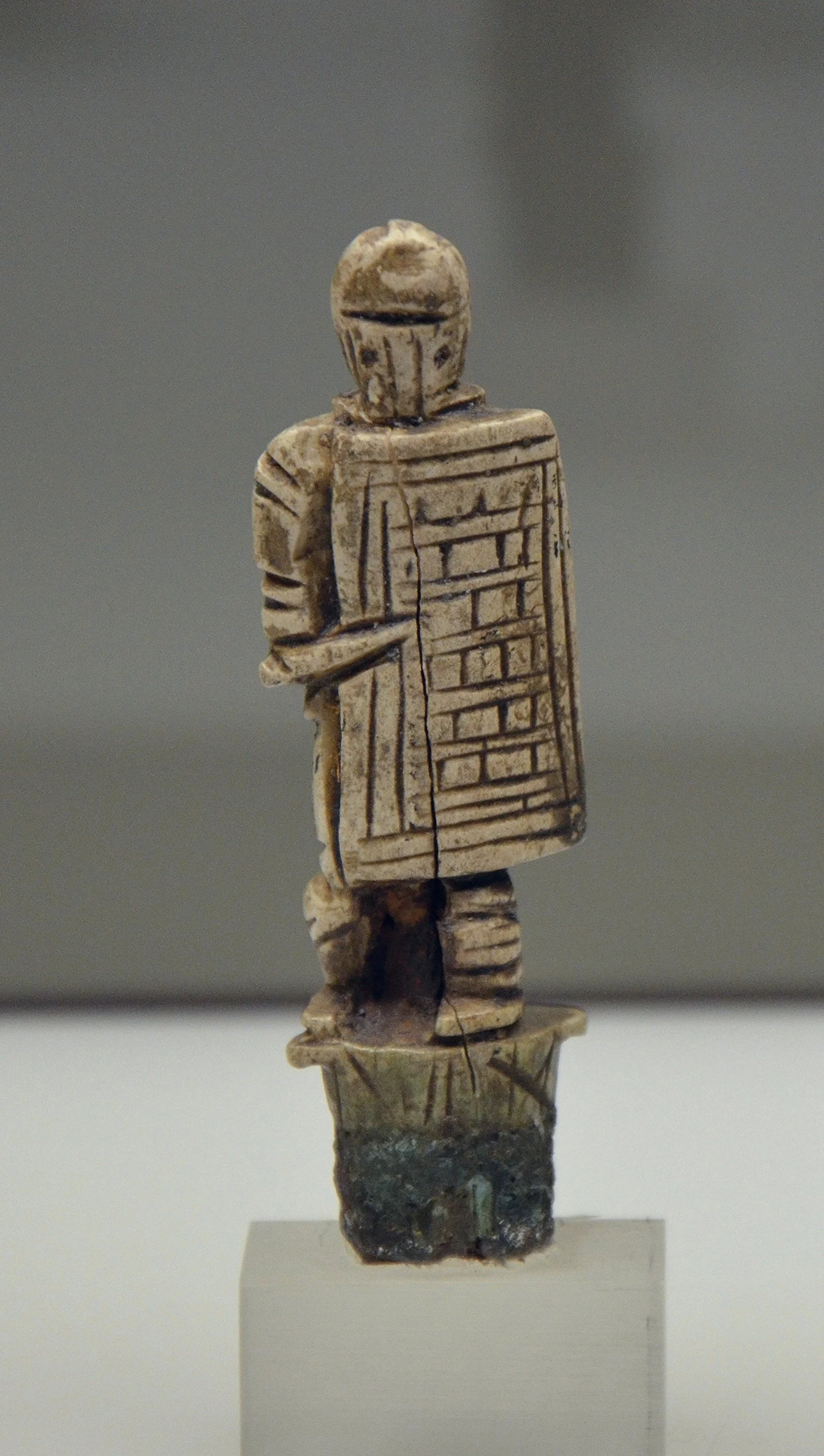
This article shows how pocketknives in the shape of gladiators commodified gladiators as mascots: utile bodies rather than autonomous individuals. In Professor Popkin’s hands, gladiator knives suggest how art historical analysis can illuminate the role of sports merchandise as an everyday mechanism of power outside institutionalized sporting practices.
“Souvenirs as Products and Agents of Mobility in the Roman Empire,” in Mobility in Antiquity: Rethinking the Ancient World through Movement, edited by Selim Ferruh Adalı, Benjamin Gray, Elena Isayev, Evan Jewell, Turhan Kaçar, Lindsey Mazurek, and Jana Mokrišová, Rewriting Antiquity series (revised manuscript accepted and under contract for publication, forthcoming from Routledge).
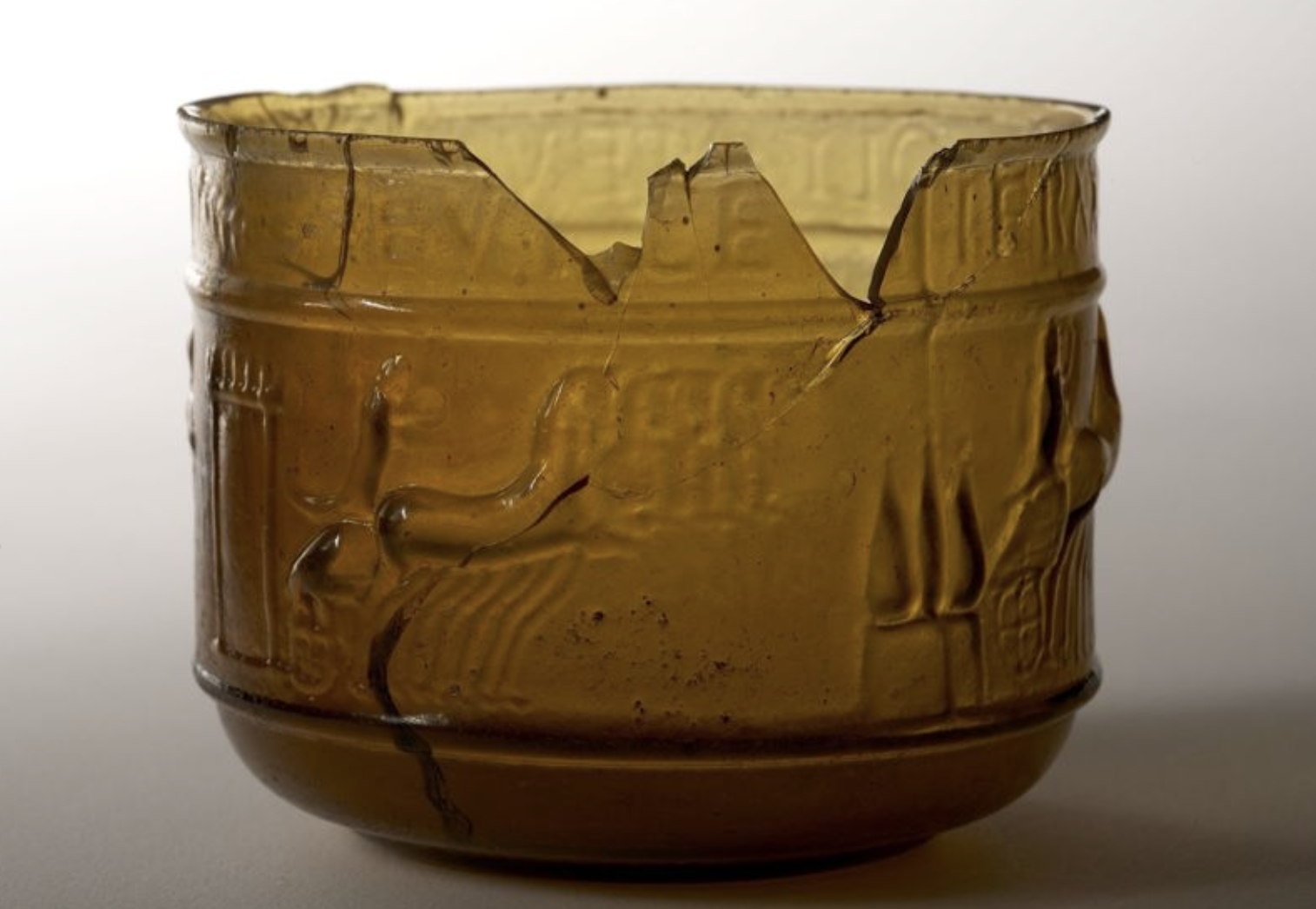
“Festival Souvenirs from Roman Cologne: Connectivity, Memory, and Conceptions of Time,” in Data Science, Human Science, and Ancient Gods: Conversations in Theory and Method, edited by Sandra Blakely and Megan Daniels (Lockwood Press, 2023), 93-115.
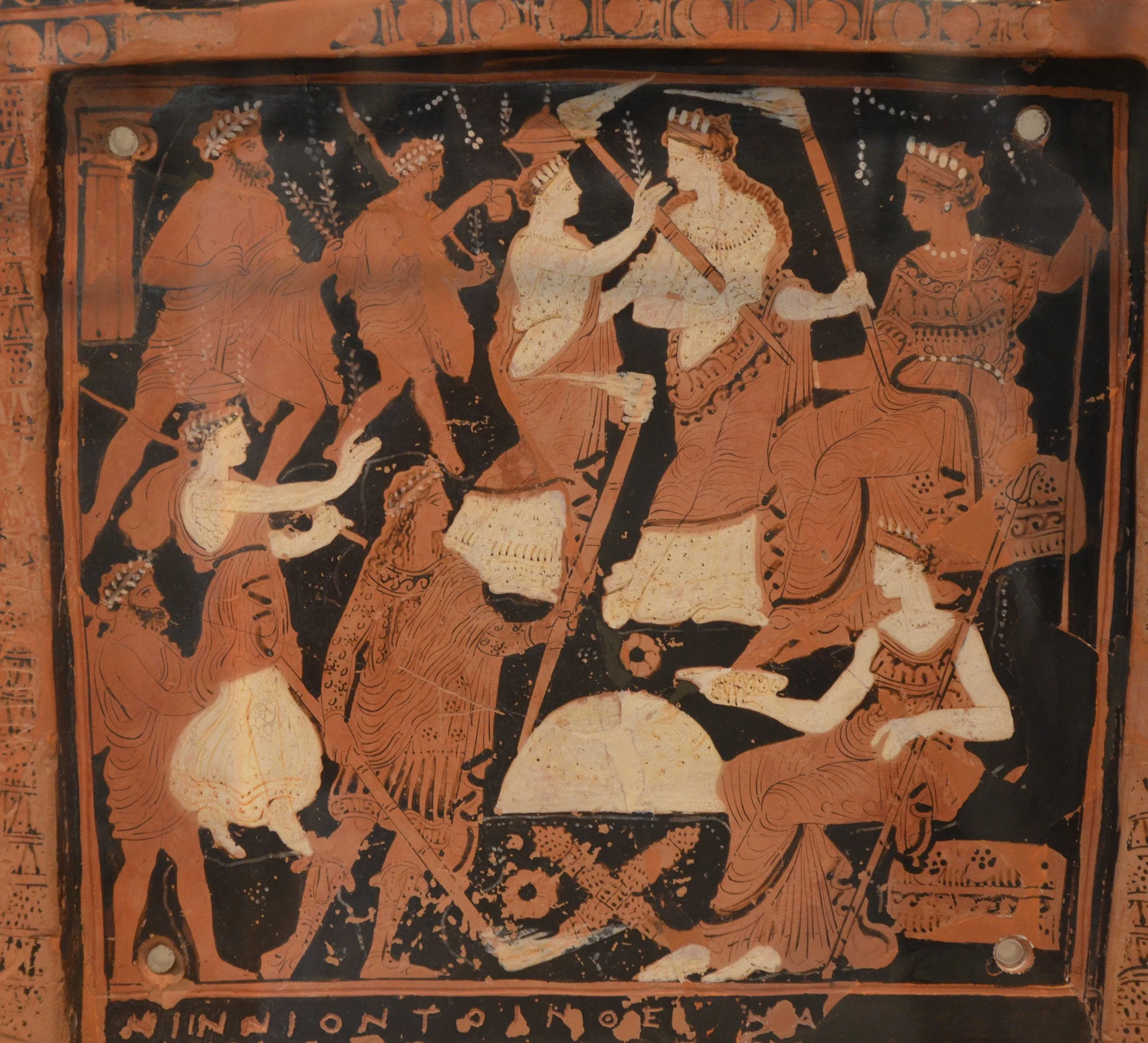
“Illuminating the Mysteries of the Great Gods at Samothrace, Greece,” in After Dark: The Nocturnal Urban Landscape and Lightscape of Ancient Cities, edited by Nancy Gonlin and Meghan E. Strong (University Press of Colorado, 2022), 71-96.
“The Vicarello Milestone Beakers and Future-Oriented Mental Time Travel in the Roman Empire,” in Future Thinking in Roman Culture: New Approaches to History, Memory, and Cognition, edited by Maggie L. Popkin and Diana Y. Ng, (Routledge, 2022), 113-132.
Maggie L. Popkin and Diana Y. Ng, “Introduction: New Approaches to Future Thinking in the Roman World,” in Future Thinking in Roman Culture: New Approaches to History, Memory, and Cognition, edited by Maggie L. Popkin and Diana Y. Ng (Routledge, 2022), 1-22.
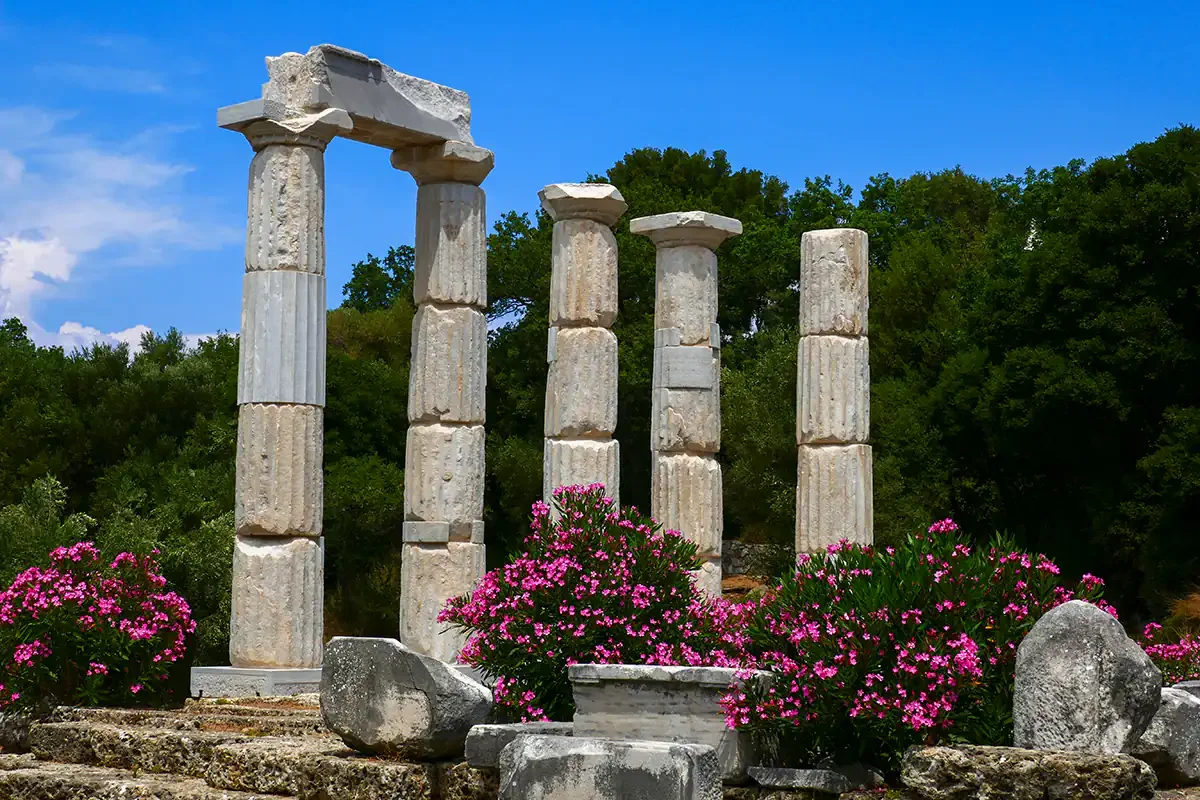
Bonna D. Wescoat, Susan Ludi Blevins, Maggie L. Popkin, Jessica Paga, Andrew Farinholt Ward, Michael C. Page, and William Size, “Interstitial Space in the Sanctuary of the Great Gods on Samothrace,” in Hellenistic Architecture and Human Action: A Case of Reciprocal Influence, edited by Annette Haug and Asja Müller (Sidestone Press, 2020), 41-62.
“Art, Architecture, and False Memory in the Roman Empire: A Cognitive Perspective,” in The Routledge Handbook of Classics and Cognitive Theory, edited by Peter Meineck, Willliam Michael Short, and Jennifer Devereaux (Routledge, 2019), 383-402.
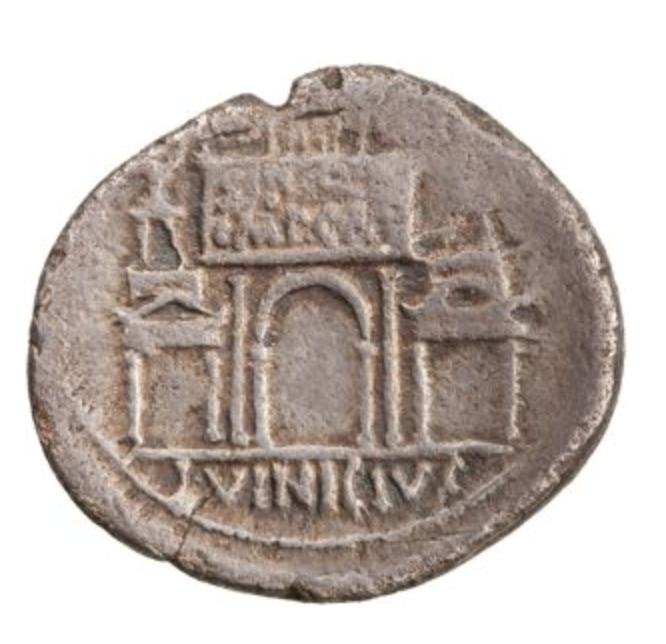
“The Parthian Arch of Augustus and its Legacy: Memory Manipulation in Imperial Rome and Modern Scholarship,” in Afterlives of Augustus: AD 14-2014, edited by Penelope J. Goodman (Cambridge University Press, 2018), 271-293.
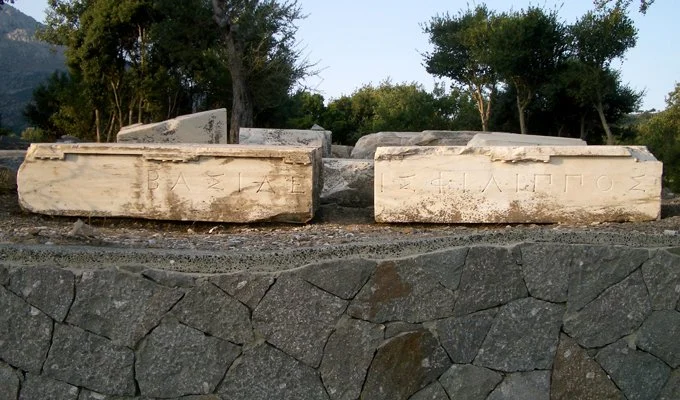
“Stone Objects,” in Bonna D. Wescoat et al., Samothrace: Excavations Conducted by the Institute of Fine Arts of New York University, Volume 9, The Monuments of the Eastern Hill (American School of Classical Studies at Athens, 2017), 444-452.
“Souvenirs and Memory Manipulation in the Roman Empire: The Glass Flasks of Ancient Pozzuoli,” in Materializing Memories in Art and Popular Culture, ed. László Munteán, Liedeke Plate, and Anneke Smelik. Routledge Research in Cultural and Media Studies 102 (Routledge, 2017), 45-61. Reprinted in Side Magazine 2022.5 (2022), 36-51.